If you’ve ever stood next to a parked car on a frigid winter morning, watched a truck navigate an icy highway, or even powered a small portable generator through a cold snap, you’ve relied on antifreeze — and you’ve probably never considered the unsung elements that make it work reliably: the thickeners. As a thickeners supplier with years of experience in industrial fluid chemistry, I get a lot of questions about these components. Most people assume antifreeze is just ethylene glycol (or propylene glycol) and water, but the thickeners are what turn a simple coolant into a fluid that stays in place, protects metal parts, and performs consistently across extreme temperatures. Let me break down the science, the most common thickeners, and why choosing the right one matters for every antifreeze application. Thickeners
First, it’s important to understand what antifreeze needs to do, and how thickeners support those goals. The core job of antifreeze (also called engine coolant) is twofold: lower the freezing point of the water-based solution so it doesn’t solidify in cold weather, and raise the boiling point so it doesn’t overheat in summer. But without thickeners, this basic mix would have critical flaws. When a vehicle is moving, coolant flows through narrow passages in the engine block, around hot cylinders, and through the radiator. A thin, runny solution would either leak out of seals or not stay in contact with metal long enough to transfer heat properly. Thickeners adjust the viscosity of the antifreeze, giving it the right balance of flowability and structural integrity. They also prevent sediment from forming, which can clog cooling systems, and help distribute corrosion inhibitors and other additives evenly across metal surfaces.
Not all thickeners are created equal, and the type used depends on whether the antifreeze is for passenger cars, heavy-duty trucks, industrial equipment, or even HVAC systems. Over my years in this industry, I’ve seen three main categories of thickeners dominate modern antifreeze formulations: synthetic polymers, polysaccharide-based thickeners, and inorganic thickeners. Each has distinct properties that make them suitable for specific use cases, and understanding these differences is key for formulators looking to optimize their products.
Synthetic polymer thickeners are the workhorses of modern antifreeze, especially for high-performance and long-life coolants. The most widely used here are polyacrylates (PAA) and polyacrylamides (PAM). These are long-chain, water-soluble polymers that expand when mixed with antifreeze solutions, creating a network of molecules that increases viscosity without making the fluid sticky or hard to pump. What makes polyacrylates so popular is their stability across a wide temperature range. Unlike some natural thickeners, they don’t break down when exposed to the 220°F to 260°F temperatures common in operating engines, and they don’t thin out drastically in cold conditions either. This consistency is critical: a coolant that’s too thick when cold will take longer to circulate, leading to engine warm-up delays, while a coolant that’s too thin when hot won’t provide enough protection against overheating.
Another advantage of synthetic polymer thickeners is their ability to carry other additives. Most antifreeze includes corrosion inhibitors for iron, aluminum, copper, and brass, as well as anti-foaming agents. Polyacrylates bind to these additives, preventing them from settling at the bottom of the coolant reservoir. This means every time the coolant circulates, it delivers the right amount of corrosion protection to every part of the engine. For heavy-duty applications, like long-haul trucking or construction equipment, synthetic thickeners also resist degradation from contaminants like road dust and combustion byproducts, which can break down natural-based thickeners over time. I’ve worked with several large coolant manufacturers who switched from natural thickeners to polyacrylate-based formulations a decade ago, and they’ve reported a 30% reduction in clog-related cooling system repairs as a result.
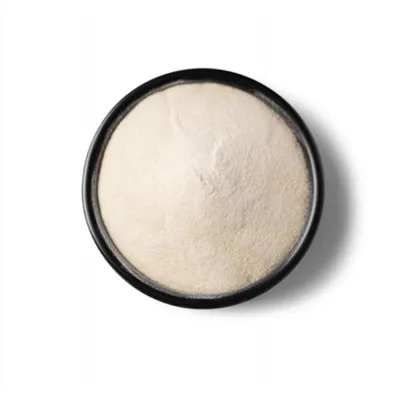
That said, synthetic thickeners aren’t the only option. Polysaccharide-based thickeners, derived from natural sources like xanthan gum, guar gum, or cellulose ethers, still have a place in specific antifreeze formulations, especially those designed for food-grade or low-toxicity applications. Propylene glycol-based antifreeze, which is often used in food processing equipment or residential HVAC systems, sometimes uses xanthan gum as a thickener. Xanthan gum works by forming a temporary gel structure in the coolant; when the fluid is static (like in a parked food truck or storage tank), it stays thick, preventing sediment from settling, and when it’s pumped through the system, the gel breaks down temporarily to allow easy flow. This “shear-thinning” property is perfect for applications where the coolant isn’t constantly circulating, because it keeps contaminants suspended even when the system is off.
The downside of polysaccharide thickeners is their temperature limit. Xanthan gum starts to degrade around 180°F, which is well below the operating temperature of most passenger car engines. That means they’re only suitable for low-temperature, low-heat applications, like underfloor heating systems or small portable generator coolants that don’t run at full capacity for long periods. They’re also more prone to bacterial growth, which can form slime in the cooling system over time if not properly treated. For that reason, they’re not used in heavy-duty automotive antifreeze, but they’re still a popular choice for specialized low-demand formulations.
The third category, inorganic thickeners, is less common but plays a role in some industrial antifreeze solutions. These include materials like fumed silica, bentonite clay, and magnesium aluminum silicate. Inorganic thickeners work by forming tiny, stable particles that create a network in the coolant, increasing viscosity. They are extremely temperature-stable, withstanding temperatures well above 300°F, which makes them ideal for high-heat industrial applications, like cooling systems for power plants or large industrial compressors that run continuously at high temperatures. They also have excellent corrosion resistance themselves, which adds an extra layer of protection for metal parts. The tradeoff is that inorganic thickeners can make the coolant more opaque, and they can leave fine particles in the system that require regular filtration. For that reason, they’re not used in passenger vehicles, where visibility of the coolant level in the reservoir is important, but they’re a go-to for heavy industrial environments.
Choosing the right thickener for an antifreeze formulation isn’t just about picking the most effective component — it’s about balancing cost, performance, and application requirements. As a thickeners supplier, I often work closely with coolant formulators to match the right thickener to their specific product. For example, a formulator making a long-life antifreeze for passenger cars will almost always go with a polyacrylate, because it offers consistent performance, low cost, and long stability. A formulator making a food-grade antifreeze for a bakery’s cooling system might opt for xanthan gum to meet safety standards. A formulator making coolant for a steel mill’s rolling mill will choose fumed silica to handle the extreme operating temperatures.
I’ve also seen common mistakes formulators make when selecting thickeners for antifreeze. One of the biggest is over-thickening the solution. Too much polyacrylate, for example, can make the coolant so thick that the water pump has to work harder, leading to increased fuel consumption and even pump failure over time. Another mistake is not accounting for compatibility with other additives. Some synthetic thickeners can react with certain corrosion inhibitors, like phosphate-based inhibitors, leading to clumps or sediment in the coolant. That’s why it’s so important to test the thickener with the full coolant formulation before scaling up production.
Looking ahead, the demand for specialized antifreeze is growing, driven by the rise of electric vehicles (EVs) and renewable energy systems. EVs use coolants to maintain battery temperature, which requires antifreeze that works at both sub-zero temperatures and near 100°F during fast charging. This new generation of coolants is calling for modified synthetic thickeners that are even more temperature-stable and have lower electrical conductivity, to prevent interference with battery sensors. As the shift to EVs accelerates, I’ve been investing in research and development to adapt our thickener products to meet these new requirements, working with coolant manufacturers to test formulations that balance viscosity, conductivity, and temperature stability.
For anyone in the coolant manufacturing industry, whether you’re making antifreeze for passenger cars, industrial equipment, or specialized applications, the thickener you choose is a critical part of your product’s quality. A great antifreeze that fails to stay in the cooling system, or breaks down too quickly, will damage engines and lead to costly repairs. The right thickener ensures your coolant flows when it needs to, stays stable in extreme temperatures, and protects metal parts for years.
If you’re a coolant formulator looking to optimize your current antifreeze formulation, or need a reliable partner to source high-quality thickeners tailored to your specific application, I’m here to help. We work with businesses of all sizes, from small specialty coolant producers to large multinational manufacturers, and we can provide sample testing, formulation support, and consistent supply for even the most demanding projects. Don’t let a subpar thickener hold back your product’s performance — reach out to our team to discuss your antifreeze requirements and find the right thickener solution for your needs.
Xanthan Gum References
- Ash, M., & Ash, I. (2007). Handbook of Industrial Thickeners. Synapse Information Resources.
- Kawamoto, K. (2019). Coolant Technology for Internal Combustion Engines and Electric Vehicles. SAE International.
- Rosenberg, D. (2015). Polymer Thickeners for Aqueous Systems. Journal of Applied Polymer Science.
- Van de Ven, T. G. M. (2008). Polysaccharide Thickeners for Industrial Applications. Food Hydrocolloids.
Fudijia (Tianjin) Supply Chain Co., Ltd.
With abundant experience, we re one of the most professional thickeners manufacturers and suppliers in China. We warmly welcome you to wholesale bulk high quality thickeners made in China here from our factory. For more information, contact us now.
Address: 301-2-1C,Jin Bin Jie Zuo,No.98, Huanghai Road,TEDA, Tianjin, China
E-mail: foodchem@hjlfoods.com
WebSite: https://www.ifoodchem.com/
