Hey there, if you’ve ever been in a facility handling flammable gases, dust, or vapors, you know explosion proof motors aren’t just a piece of equipment—they’re the quiet backbone keeping operations safe and running. I’ve been supplying these bad boys for over a decade, and one question I get all the time is, “What’s the difference between all the starting methods for these motors?” It’s not just a technical nitpick; pick the wrong method, and you’re looking at inefficiency, premature wear, or even a safety risk in hazardous areas. Let’s break this down like I would to a shop manager who’s got a deadline and a budget to stick to. Explosion Proof Motor
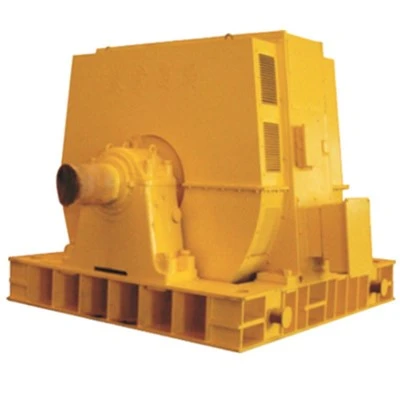
First, let’s get one thing straight: explosion proof motors aren’t like regular industrial motors. Their whole design is built to contain any internal arc or heat so it doesn’t ignite the surrounding flammable stuff. But how you start them ties directly to that safety and their performance. Starting a motor means pushing it from 0 RPM to full speed, and that surge of current (we call it inrush current) can be 6 to 8 times the motor’s full-load current if you just flip a switch straight on. For hazardous areas, that inrush doesn’t just stress the motor—it can cause voltage dips that mess with other gear, or even generate extra heat that’s a no-go in classified zones.
Let’s start with the most common one across industries: Direct-On-Line (DOL) starting. This is the straightforward “flip the breaker and go” method. I’ve seen DOL on small to medium explosion proof motors, especially in places like chemical processing plants where the motor is driving a small pump or a fan that doesn’t need a soft start. The upside? It’s cheap, simple to install, and almost no maintenance—just a contactor and a fuse. But here’s the catch with explosion proof applications: DOL’s big inrush current can cause voltage sags that might trip other critical equipment in the plant. And if your motor’s mounted to a heavy conveyor system, that sudden torque jolt can stress the motor’s shaft, bearings, and even the connected machinery over time. I always tell customers to use DOL only when the motor is 10HP or smaller, and the facility’s power grid can handle that surge without issues. I had a client last year who tried DOL on a 25HP explosion proof conveyor motor in a refinery—tripped three other safety systems in the shift, cost ’em a whole day of production. That’s a mistake I never want anyone to repeat.
Next up: Star-Delta (Y-Δ) starting. This one’s a middle ground that cuts that inrush current way down—like 30-50% of what DOL gives you. Here’s how it works: when you start the motor, you wire the stator windings in a star (Y) configuration, which lowers the voltage to each winding, then once the motor hits ~80% of full speed, you switch it back to delta (Δ) for full power. For explosion proof motors, this is a sweet spot for medium-sized units, usually 15 to 100HP, used in things like large blowers or compressors in grain elevators or chemical plants. The perks? Lower inrush means less voltage dip, and the torque is manageable so you don’t jolt heavy gear. But the switch from Y to Δ—called the “transition period”—can cause a little power spike, which means you need explosion proof contactors rated for that transient load. Also, it’s a bit more complex than DOL, so installation and troubleshooting cost a little more. I’ve recommended Y-Δ to a lot of grain elevator clients because grain dust is super flammable, so limiting that surge heat is non-negotiable. One thing to watch for: if you don’t time the transition right, you can get a drop in torque that makes the motor stall, which is a safety hazard in itself. We help our clients with pre-programmed control panels that take that guesswork out.
Then there’s Auto-Transformer Starting (also called Compensator Starting). This method uses a transformer to step down the voltage at startup, so the motor gets a reduced amount of power until it’s up to speed, then you bypass the transformer and go to full line voltage. It’s a step up from Y-Δ when you need more torque than Y-Δ can give, but still less than DOL. For explosion proof motors, this is great for medium to large units—think 50 to 200HP—used in things like large conveyors or pumps in oil and gas facilities. The upside here is you get adjustable voltage taps, so you can tweak the startup torque to match whatever load you’re driving. That means less stress on the motor and connected gear than DOL, and no harsh transition spikes like Y-Δ. The downside? It’s bigger, heavier, and more expensive than the previous two methods, and the auto-transformer itself needs to be explosion proof-rated too. I recently supplied a 150HP explosion proof auto-transformer setup to an offshore rig client—they needed the motor to start a heavy crude pump without tripping the rig’s power grid, and auto-transformer was the only method that fit both the power and safety requirements. Also, because it’s a physical transformer, it does use a little more energy than other methods when it’s running at full power.
Now, let’s talk about Soft Starters. These have gotten way more popular in the last 10 years, and for good reason. A soft starter is a solid-state device (no moving parts, basically) that gradually increases the voltage to the motor as it starts, so there’s no sudden surge of current at all. It’s like slowly revving a car instead of slamming the gas. For explosion proof motors, this is the go-to for large units—anything over 100HP, especially if you’re dealing with really heavy loads like large compressors or crushers in mining or chemical processing. The benefits here are huge: zero inrush current means no voltage dips, no torque jolts, and you can adjust the startup ramp to match exactly what your machinery needs. That saves wear and tear on the motor, bearings, and connected equipment, which means less downtime for repairs. Soft starters also have built-in protection features—overload, overheat, short circuit—that make them extra safe in hazardous areas. The only real downsides? They’re pricier upfront than DOL or Y-Δ, and some older facilities might not be set up to handle the solid-state gear’s harmonic distortion (though modern soft starters have fix that pretty well). I’ve had a lot of new mines reach out to me for explosion proof soft starters because they run 24/7, so downtime costs them thousands an hour. We usually work with their electrical teams to make sure the soft starter is NEMA 7 or 9 rated (the standards for Class I, Division 1 and Class II, Division 1 hazardous areas) so it meets their safety specs.
Wait, let’s not skip Variable Frequency Drives (VFDs), which some people mix up with soft starters. A VFD is actually a step further—it controls both voltage and frequency, so you can adjust the motor’s speed after startup, not just the start. For explosion proof motors, VFDs are used in applications where you need variable speed, like conveyor systems that need to speed up or slow down, or pumps that adjust flow instead of running at full blast 24/7. The advantage here is you get even more control, energy savings over time, and the soft startup is a bonus. But VFDs are the most complex and expensive of all the starting methods, and they need to be explosion proof-rated specifically because of the electronic components. Also, some older explosion proof motors can’t handle VFDs because of their design—they’re built for constant frequency power. I always tell clients to check their motor’s nameplate and work with us to match the right VFD to their motor. A few years back, a food processing plant (handling flour dust, which is super explosive) tried using a standard VFD instead of an explosion proof one—ended up tripping the unit and almost igniting the dust. We had to swap it out for a Class II Division 1 rated VFD, and they’ve been running smoothly ever since.
Now, let’s cut through the confusion about when to pick which. It all comes down to three things: motor size, the load you’re driving, and the hazardous area classification. DOL is for small motors (under 15HP) with light loads, where budget is king. Y-Δ is for medium motors (15-100HP) with moderate loads, where you need lower inrush but don’t want to overspend. Auto-transformer is for medium-large motors (50-200HP) where you need adjustable torque but no transition spikes. Soft starters are for large motors (over 100HP) with heavy loads, where minimizing wear and downtime is top priority. VFDs are for any motor where you need variable speed, not just a smooth start.
A common mistake I see is clients using a one-size-fits-all approach. Last month, a wastewater treatment plant came to me wanting to replace their explosion proof motors for a biogas digester (biogas is flammable, so hazardous area). They went with DOL because it was cheap, but the motors kept burning out within 6 months because the inrush current was too high for their heavy mixer loads. We swapped them to soft starters, and they’ve been running for 18 months with zero issues. That’s the kind of mistake we help people avoid every day.
Another thing to note: explosion proof motor starting methods also have to meet regulatory standards, like NEC (National Electrical Code) in the US, or IECEx globally. You can’t just pick any starting method—every component (contactor, transformer, soft starter, VFD) has to be rated for the specific hazardous area: Class I (gases/vapors), Class II (dust), Division 1 (where hazardous materials are present under normal operation) vs Division 2 (only during abnormal conditions). That’s why working with a supplier who knows both the motor and the starting methods is non-negotiable—we make sure every part is compliant, so you don’t get fined or have a safety incident.
At the end of the day, the right starting method isn’t just about technical specs—it’s about balancing safety, cost, and performance. If you’re in a hazardous area and not sure which method is a fit for your explosion proof motor, you don’t have to guess. We’ve supplied these motors and their starting solutions across dozens of industries: oil and gas, mining, chemical processing, grain handling, food processing, all the places where explosion proof gear is non-negotiable. We’ll walk through your setup, your load, your area classification, and help you pick the method that works best for you. No jargon, no upselling the wrong product—just straight talk about what keeps your team safe and your operations running.
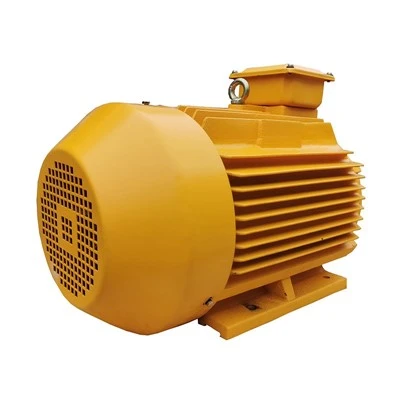
If you’re looking to upgrade your explosion proof motors or swap out a faulty starting system, we’re here to help. Don’t wait for a downtime or a safety check to catch an issue—reach out to us to talk through your needs and get a customized solution.
Explosion Proof Motor References
- National Electrical Code (NEC) Article 430, Explosion Proof Motor Control Circuits
- IEC 60079-1, Explosion-Proof Equipment for Gas Atmospheres
- NEMA Standard MG 1, Motors and Generators, Section 14: Starting Methods
Xian Putai Electric Motor Equipment Co., Ltd.
Xian Putai Electric Motor Equipment Co., Ltd. is one of the most professional explosion proof motor manufacturers and suppliers in China, also supports customized service with low price. Welcome to buy advanced explosion proof motor in stock here from our factory. If you have any enquiry about quotation, please feel free to email us.
Address: Haibo Guangchang Fengcheng Nine Road Economical & Technological Development District Xi’an City Shaanxi Province – China
E-mail: sales@putaimotor.com
WebSite: https://www.putaimotor.com/
