If you’ve ever pulled up to a gas station, punched a few buttons, pumped a few gallons, and hit the road, you know that routine. But what if instead of gasoline, you’re fueling a hydrogen car, and the station you’re using is something most people barely think about? As a hydrogen station supplier, I talk to folks all the time who get confused by how these places actually work. It’s not magic, and it’s not just “fill up with H2”—it’s a tight, 7-step process that makes zero-emission driving possible. Let me break it down, no overly sciencey jargon, just the real deal. Hydrogen Station
First off, let’s get one thing straight: a hydrogen station isn’t the same as a gas station. It doesn’t store hydrogen in big tanks out front, y’know? Most of the stations I sell are set up to make hydrogen on-site, or pipe it in from a nearby production plant—either way, it has to be compressed before it goes anywhere near your car’s tank. That first step, though, is all about getting hydrogen ready to store. Let’s start with the basics: hydrogen is the lightest element, so it’s super hard to contain without losing it. We’re not talking about the stuff you blow up party balloons with—this is high-purity hydrogen, right? Like 99.97% pure, because even a tiny bit of impurities can mess up a fuel cell in a car. If you buy a station from us, we make sure the purification system is set up right, no shortcuts there.
Once the hydrogen’s pure, it’s time to compress it. Here’s where people get tripped up: hydrogen at room temperature is gas, but it’s way too low-pressure to fit in a car’s tank, which is built to hold 700 bar (that’s about 10,000 psi, for anyone who uses imperial units). Compressing it isn’t just cramming it into a tank—we use reciprocating compressors, the same kind you might see in industrial stuff, but sized for a station. I’ve seen new stations try to use cheap compressors and end up breaking down in a year, so that’s the part we spend extra time on. No one wants a station that can’t fuel cars when there’s a line.
After compression, we store the hydrogen in high-pressure tanks. These aren’t your average metal tanks—they’re carbon fiber-wrapped, super strong, and designed to hold that 700 bar pressure safely. A typical station might have 4-6 of these tanks, stacked outside or in a secure enclosure, because hydrogen is flammable, but if built right, it’s way safer than gasoline. Gasoline tanks leak fumes all the time, but hydrogen is lighter than air, so if there’s a small leak, it just drifts up and disperses fast. That’s a key point I always explain to potential customers: hydrogen stations are way less risky than most people think, as long as the storage is set up correctly.
Now, when a driver pulls up to the pump, that’s when the real magic happens. Wait, no—let’s make that super boring but important: the fueling process. When a car connects the nozzle to its tank, there’s a whole exchange going on, not just hydrogen flowing. First, the station checks the car: is the tank at the right pressure? Is there enough hydrogen in the station’s tanks? No one wants to try to fuel a car that’s already full, right? Then, the station pumps high-pressure hydrogen into the car’s tank, and as it does, the station’s control system adjusts the pressure to match the car’s tank, so it doesn’t surge or cause a problem. This takes about 3-5 minutes, same as filling a gas tank, which is a big plus for hydrogen cars—no 20-minute waits like electric cars (well, not yet, anyway).
Wait, but what about stations that don’t make their own hydrogen? Some customers ask about that, especially if they’re in a place where on-site production isn’t possible. Those stations get hydrogen delivered via truck, same way gas is delivered. The truck is a tube trailer, basically a big insulated tank that holds hydrogen at high pressure, and it unloads the hydrogen into the station’s storage tanks. We build stations that work for both: on-site production (which is cheaper long-term) or delivered hydrogen (good for small, low-traffic areas). That’s why we don’t just sell one type of station—we tailor it to what a location needs.
Let’s talk about safety, because that’s the biggest concern most new buyers have. I can’t stress this enough: hydrogen stations are packed with safety features. There are sensors everywhere that detect leaks—if even a tiny amount of hydrogen is in the air, the station shuts down automatically. The tanks are pressure-relief valves that open if the pressure gets too high, so they don’t burst. The pumps are grounded, same as gas pumps, to prevent static electricity sparks. We train every customer who buys a station from us on all these safety steps, too—no one gets a station without a full walkthrough of how to maintain it and respond to any issues.
Now, let’s get to the part that matters for drivers: how this all connects to their car. When they pull up, they don’t have to think about the compressors or the storage tanks—they just swipe a card, pick a pump, and go. The nozzle is a standardized thing now, so every hydrogen car uses the same nozzle, no compatibility issues. That’s a big deal, because a few years ago, there were different nozzle types, but now everyone’s on the same page. As a supplier, we make sure our stations work with every major hydrogen car model out there, from Toyota to Hyundai to Honda.
Here’s the thing I always tell people who are thinking about switching to hydrogen: it’s not as complicated as it sounds, but it needs to be built right. A lot of new companies try to cut corners on compressors or storage tanks, and those stations end up failing. That’s why we focus on building stations that are reliable, easy to maintain, and can handle a few cars at a time—no one wants a station that can only fuel one car an hour. We’ve been supplying stations for 8 years now, and most of our customers have had zero major issues, because we don’t skimp on the good parts.
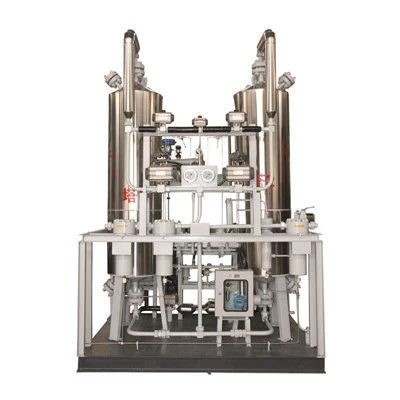
If you’re a city planning a hydrogen fueling network, or a business looking to switch your fleet to hydrogen trucks, let’s talk. We don’t do one-size-fits-all stations—we’ll come out, assess your location, how many cars you expect to fuel, and whether you want on-site production or delivered hydrogen, and build something that fits your needs. No overpriced add-ons, no confusing contracts, just a station that works when you need it. Whether you’re in a big city with 50 cars a day or a small town with 5, we can handle it.
Key Components References
- U.S. Department of Energy. (2023). Hydrogen Fueling Station Basics.
- International Energy Agency. (2022). The Future of Hydrogen Stations.
- National Fire Protection Association. (2021). Hydrogen Station Safety Standards.
Chengdu Hi-tech Panda Energy Technology Co., Ltd.
With abundant experience, we are one of the most professional hydrogen station manufacturers in China. Please feel free to buy high quality hydrogen station for sale here from our factory. Also, customized service is available.
Address: No.1604, 16th Floor, Unit 2, Building 1, No.1700, North Section of Tianfu Avenue, Chengdu High-tech Zone, China (Sichuan) Pilot Free Trade Zone
E-mail: Haikepanda-sos@aliyun.com
WebSite: https://www.haike-energe.com/
