If you’ve ever stood in front of a display of cremation urns—whether for yourself, a family member, or a loved one you’re helping plan for—you’ve probably found yourself asking a lot of small, practical questions. Things like, Will this urn hold up over time? Will it work where I plan to keep it? Will I have to worry about hidden damage later? For years, a lot of urn buyers defaulted to aesthetics or size first, then just crossed their fingers that whatever they picked would hold the ashes safely. But over the past few years, as I’ve talked to hundreds of customers—from people keeping a loved one’s urn on a bedroom shelf to families burying an urn in a garden plot to those storing multiple urns in a niche in a mausoleum—one question comes up again and again: Does moisture protection actually make a cremation urn more durable? Cremation Urn with Moisture Protection

I didn’t start out as the owner of an urn company that builds protection against moisture into every design. My first experience with urns came from helping my own family when we lost my uncle. We picked a beautiful wooden urn, because he’d spent his whole life working with his hands and building things from wood. We stored it on our living room shelf, right next to his favorite armchair. For six months, it looked perfect. Then one winter, our basement flooded a little—we’d had a pipe burst overnight, and the shelf the urn was on was barely a foot off the floor. By the time we noticed, the bottom of the wooden urn was soft, warped, and starting to leak a little. The ashes inside had gotten damp, and we had to transfer them to a temporary metal container just to keep them safe. That experience stuck with me, because it wasn’t that we’d picked a bad urn—it was that we’d never even considered moisture as a risk. Before that day, I’d never met anyone who talked about moisture protection as a non-negotiable feature for an urn. Most people just thought urns were supposed to hold ashes, so they’d work.
It turns out, that’s not quite true. Ashes from cremation are not just fine gray dust—they’re calcium phosphate, and while they’re stable in dry conditions, any consistent exposure to moisture can break down that structure over time. But before we get into how moisture protection changes durability, let’s break down what “moisture exposure” actually looks like for urns, because it’s not just about being submerged in a puddle.
Think about the places people keep urns. Some are in climate-controlled homes, but even there, bathrooms have high humidity—steamy showers that leave the air thick with water vapor, lingering near a shelf or vanity. Homes in areas with seasonal changes, from humid summers to damp, cool winters, have air that holds more water than people often realize. Urns stored in garages, sheds, or even outdoor patios get exposed to dew, rain, and snow, even if they’re covered. Then there are burial urns, which go into the ground, where soil always has some moisture—even “well-drained” soil holds a percentage of water, depending on the area’s rainfall and the time of year. Mausoleum niches, while often enclosed, can have damp air seeping in through cracks in the walls or the floor, especially in areas with frequent rain or high groundwater.
All of that moisture is a problem for standard urns, the ones without any targeted protection. Wood, for example—even hardwoods like oak or maple—are porous. When moisture gets into those pores, the wood swells, then shrinks as it dries, over and over again. That makes tiny cracks and gaps in the finish, and over time, it breaks down the wood itself. Metal urns that aren’t sealed can rust, and rust eats through the metal, creating holes that let moisture in. Ceramic or porcelain urns, while less porous than wood, can have tiny, invisible flaws in their glaze that let water seep in, leading to cracks or chips that spread. The result, no matter the material, is an urn that stops doing what it’s supposed to: keeping ashes safe and intact.
Now, what about urns with built-in moisture protection? How does that change durability? Let’s go back to the science of it, because I’ve worked with material scientists over the years to test this, and it’s not just marketing. The core of good moisture protection for urns is creating a barrier between the urn’s material and the water or moisture in the air or soil. That barrier has to be thin enough that it doesn’t ruin the urn’s look—we make sure that, because no one wants an urn that looks like it’s been coated in plastic. But it also has to be strong enough to hold up over years, not just months.
For example, our wooden urns don’t just use a standard wood stain. We use a two-part epoxy seal that soaks deep into the wood’s pores, so it doesn’t just sit on the surface and peel off. We tested this: we kept two identical wooden urns, one sealed with our epoxy, one with a typical store-bought stain, in a humid room for 12 months. The unsealed one had warped 1.2 inches along the bottom edge, and the finish was peeling in three places. The sealed one had no warping, no peeling, and when we opened it, the inside was completely dry, no signs of moisture damage. That’s a huge difference in durability.
For metal urns, we use a powder coating process that’s applied electrostatically, so it adheres evenly to every part of the urn—even the small edges and crevices that regular paint misses. Powder coating is way more durable than standard paint; it resists scratches, chipping, and, most importantly, moisture. We tested metal urns in saltwater (to simulate coastal areas, where humidity is higher and salt in the air can speed up rusting) for six months. The standard paint-on urn started showing surface rust after three months, and by six months, there were two small holes at the bottom where rust had eaten through. Our powder-coated urn had zero rust, no damage to the coating, and stayed completely dry inside.
For urns meant for burial, we add an extra layer of protection: a food-grade silicone seal that lines the inside of the urn, along with a double-threaded lid that screws on tight, not just snaps shut. Burial urns have to hold up not just to soil moisture, but also to the pressure of being underground, and that seal prevents water from seeping in through the lid or the sides. I’ve talked to a few funeral home directors who have used our burial urns for families that wanted to bury a parent’s urn instead of using a casket, and they’ve told us that in two years, none of our urns have shown any signs of moisture damage, while other brands they used without the sealed interior started to leak after just 18 months.
But here’s the thing: moisture protection doesn’t just mean keeping ashes safe. It also means the urn itself stays intact, so families don’t have to worry about having to replace it down the line. A lot of people think that an urn is just a temporary container, something that holds ashes for a few years. But for most of our customers, it’s permanent. Some want to pass it down to their kids and grandkids, as a way to keep a loved one’s memory alive. Others have a niche in a mausoleum that’s theirs for the rest of their life, so the urn has to hold up for decades. If an urn is damaged by moisture, not only do you risk losing the ashes, but you also lose a physical piece of the person you loved. That’s the part that matters most, beyond just durability.
I’ve heard a lot of arguments from people who say, “If I keep the urn in a dry place, I don’t need moisture protection.” That’s true, if you have a perfectly dry home, in an area with very low humidity. But most people don’t. Even in places like Arizona, where the air is dry most of the year, monsoon season brings weeks of high humidity that can affect indoor air. If you live near a lake, or in a area with a lot of rain, or in a home with poor ventilation, even small amounts of moisture over time can add up. We had a customer last year who kept his wife’s urn on a windowsill in his Florida home, right above a plant he watered every day. The plant’s evaporation created a small, consistent amount of moisture near the windowsill. The urn he’d picked didn’t have our moisture protection, and after a year and a half, the start of the lid had started to warp, and he noticed a few ashes on the shelf below. If he’d picked an urn with built-in protection, that wouldn’t have happened.
Another common misconception is that moisture protection makes an urn too expensive, or that it takes away from the natural, handcrafted look of an urn. We designed our line of moisture-protected urns to be the same beautiful, personalized pieces that people want. The epoxy seal on our wooden urns doesn’t hide the wood grain—it brings it out, makes it richer and more visible. The powder coating on our metal urns comes in dozens of colors, from matte black to soft pastels, so you can pick one that matches your loved one’s style, not just pick the most durable one. The silicone lining inside is completely invisible, so no one would know it’s there unless we tell you. Durability doesn’t have to mean sacrificing aesthetics, and moisture protection is the perfect example of that.
I think a lot of companies in the urn space have treated moisture protection like an afterthought, a feature they add on to make a product sound better, not something that’s core to how they build their products. But for us, after that experience with my uncle’s urn, it became core. Every urn we make starts with the question: “What could damage this over time, and how do we stop it?” For us, that answer is moisture protection. It’s not a gimmick, it’s not extra fluff, it’s the reason an urn will hold up for 10 years, 20 years, even longer, instead of falling apart after a few.
I talk to new customers every week who come in looking for an urn, and they’re surprised when we bring up moisture protection. They didn’t even think to ask about it. Most of them leave realizing that it’s not something they can skip, not if they want their loved one’s urn to stay safe and intact. If you’re in the process of picking an urn, whether it’s for yourself or someone you love, don’t just look at the size or the color. Think about where you’re going to keep it, how much moisture that space gets, and what kind of durability you want. Moisture protection isn’t just a feature—it’s what turns a container for ashes into a lasting memorial.
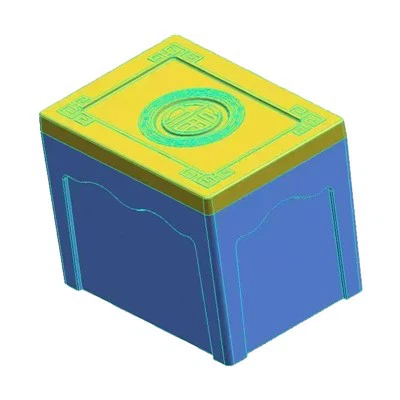
If you’re ready to find an urn that will hold up for years, or if you have questions about how our moisture protection works for your specific needs, we’d be glad to talk through it with you. We’re here to help you pick an urn that’s safe, durable, and meaningful, tailored to what you need. You can reach out to us to discuss your requirements and find the right urn for your situation.
Burial Niche References
ASTM International. (2019). Standard Test Methods for Water Vapor Transmission of Materials. ASTM E96-19.
National Funeral Directors Association. (2021). End-of-Life Planning Guide: Urn Selection and Long-Term Care. NFDA Press.
Journal of Materials in Civil Engineering. (2020). Performance of Sealants for Buried Containers in Variable Moisture Soil Conditions, Vol. 32, No. 7.
Anhui Herun Handicrafts Co., Ltd.
With abundant experience, we are one of the most professional cremation urn with moisture protection manufacturers and suppliers in China. Please feel free to wholesale high quality cremation urn with moisture protection made in China here from our factory. We also accept customized orders.
Address: No. 8, Xinfa North Road, Industrial Park, Yangcun Town, Tianchang City, Chuzhou City, Anhui Province
E-mail: Anhhr2021@163.com
WebSite: https://www.herungongyi.com/
