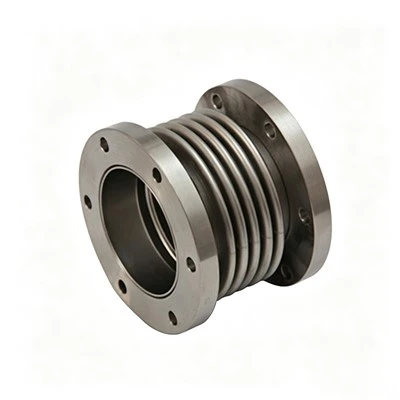
Hey there! I’m a supplier of metal bellows, and I often get asked about how to test the performance of these nifty little components. Metal bellows are super versatile and are used in a whole bunch of industries, from aerospace to medical devices. So, getting their performance right is crucial. In this blog, I’ll share some of the key ways we test metal bellows to make sure they meet the high – standards our customers expect. Metal Bellows
Leak Testing
One of the first and most important tests we do is leak testing. A leaky metal bellows can cause all sorts of problems, depending on where it’s used. For example, in a vacuum application, even a tiny leak can mess up the whole system.
We’ve got a few methods for this. One common way is the bubble test. We submerge the bellows in a tank of water and pressurize it with air or gas. If there are any leaks, bubbles will form at the leak points. It’s a simple and effective way to find gross leaks.
But for more precise testing, we use helium mass spectrometry. Helium is a great tracer gas because it’s small and can easily penetrate tiny leaks. We put the bellows in a test chamber, evacuate it, and then introduce helium around the outside of the bellows. If there’s a leak, helium will seep into the bellows, and our helium mass spectrometer can detect even the tiniest amount of it. This method can detect leaks as small as 10^-9 std cc/sec, which is incredibly sensitive.
Fatigue Testing
Metal bellows often have to go through a lot of repeated movements in their lifetime. So, fatigue testing is essential to make sure they can handle the stress.
We use a fatigue testing machine to subject the bellows to cyclic loading. We set the machine to move the bellows back and forth a certain number of times at a specific frequency and amplitude. For example, if the bellows is going to be used in a valve that opens and closes frequently, we’ll simulate that kind of movement.
During the test, we keep an eye on the bellows for any signs of cracking or damage. We also measure things like the change in stiffness and leakage rate over time. If the bellows passes the required number of cycles without any major issues, we know it’s got good fatigue resistance.
Pressure Testing
Another key aspect of performance is how well the bellows can handle pressure. Different applications require different pressure ratings.
For pressure testing, we use a hydraulic or pneumatic pressure source. We gradually increase the pressure inside the bellows to the specified maximum operating pressure and hold it there for a set period. We check for any signs of deformation, such as swelling or bulging, and also monitor the pressure to make sure it doesn’t drop, which could indicate a leak.
We also do burst testing, which takes the pressure test a step further. We keep increasing the pressure until the bellows fails. This gives us an idea of the ultimate strength of the bellows. However, burst testing is usually done on sample bellows and not on every production unit since it destroys the bellows.
Dimensional and Geometric Testing
The dimensions and shape of the metal bellows are crucial for its proper function. Even a small deviation from the required specifications can cause problems.
We use tools like calipers and micrometers to measure the basic dimensions of the bellows, such as its diameter, length, and wall thickness. For more complex geometric features, we use coordinate measuring machines (CMMs). These machines can accurately measure the shape and position of various features on the bellows, making sure they meet the design requirements.
Material Testing
The material the bellows is made of plays a huge role in its performance. Different materials have different properties, such as strength, corrosion resistance, and ductility.
We perform chemical analysis to determine the composition of the material. This helps us make sure we’re using the right alloy and that the material meets the required standards.
We also do mechanical property testing, such as tensile testing. In a tensile test, we pull a sample of the bellows material until it breaks and measure things like the yield strength, ultimate tensile strength, and elongation. This gives us an idea of how strong and ductile the material is.
Temperature and Environmental Testing
Metal bellows can be exposed to a wide range of temperatures and environmental conditions in different applications. So, we need to test how they perform under these conditions.
For temperature testing, we use temperature – controlled chambers. We can heat or cool the bellows to specific temperatures and then perform other tests, like pressure or fatigue testing, at those temperatures. This helps us understand how the performance of the bellows changes with temperature.
If the bellows is going to be used in a corrosive environment, we do corrosion testing. We expose the bellows to a corrosive medium, such as saltwater or a specific chemical solution, for a certain period and then check for signs of corrosion, like rust or pitting.
Vibration and Shock Testing
In some applications, metal bellows may be subjected to vibrations or shocks. For example, in a vehicle or an aircraft, the bellows needs to be able to withstand the vibrations caused by the engine or the movement.
We use vibration test stands to subject the bellows to different vibration frequencies and amplitudes. We monitor the bellows during the test to see if it can maintain its integrity and performance.
Shock testing is also important. We use shock test machines to apply sudden impacts to the bellows and check for any damage. This helps us make sure the bellows can handle unexpected shocks.
Acoustic Testing
In some cases, we also perform acoustic testing. This is especially important if the bellows is used in an application where noise is a concern, like in some medical devices or precision instruments.
We use microphones to measure the sound generated by the bellows during its operation. We look for any abnormal noises, such as rattling or squeaking, which could indicate a problem with the bellows or its installation.
Why These Tests Matter
All these tests are not just for show. They’re crucial for making sure our metal bellows are of the highest quality. By performing these tests, we can identify any potential issues early on and make the necessary improvements. This means our customers get reliable and long – lasting metal bellows that meet their specific needs.
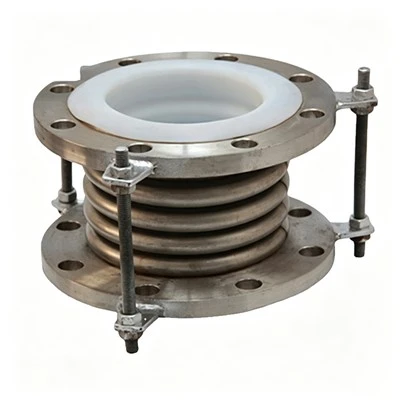
If you’re in the market for metal bellows, you want to make sure you’re getting a product that has been thoroughly tested. That’s where we come in. We’ve got the experience and the equipment to test our metal bellows to the highest standards.
Elastic Components If you have any questions about our metal bellows or want to discuss your specific requirements, don’t hesitate to reach out. We’re always happy to have a chat and see how we can help you with your project.
References
- ASTM International standards on metal testing
- ASME Boiler and Pressure Vessel Code
- ISO standards related to bellows performance testing
Yixing Blog Pipeline Equipment Co., Ltd.
As one of the most professional metal bellows manufacturers and suppliers in China, we’re featured by quality products and good service. With abundant experience, we warmly welcome you to wholesale bulk metal bellows in stock here and get quotation from our factory. Customized orders are welcome.
Address: Zhizao Park, No.50 Chunjiang Road, Industrial Cluster Zone, Heqiao Town, Yixing City, Wuxi City, Jiangsu Province
E-mail: 1351116816@qq.com
WebSite: https://www.blogbellows.com/
