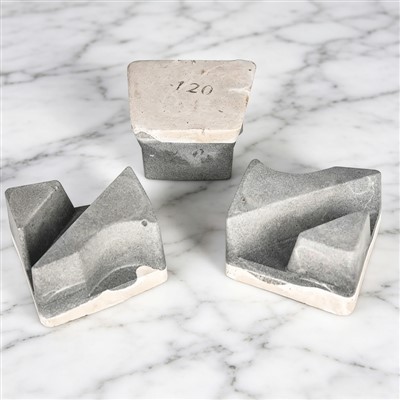
Hey there! As a supplier of diamond grinding discs, I often get asked about the importance of checking the flatness of these discs. Today, I’m gonna share with you how I go about checking the flatness of a diamond grinding disc. Diamond Grinding Disc
Why Flatness Matters
First off, let’s talk about why the flatness of a diamond grinding disc is so crucial. When a grinding disc isn’t flat, it can lead to a bunch of problems. For starters, it won’t grind evenly. That means you won’t get a consistent finish on the material you’re working on. Whether you’re grinding concrete, stone, or metal, an uneven surface can be a real headache.
Also, an uneven disc is more likely to cause excessive wear on certain parts of the disc itself. This can shorten the lifespan of the disc, which means you’ll have to replace it more often. And let’s be honest, nobody wants to spend more money on replacement discs than they have to.
Another issue is that an un – flat disc can cause vibrations during the grinding process. These vibrations can be uncomfortable for the operator and can also make it harder to control the grinding tool. In some cases, it can even lead to safety hazards. So, ensuring the flatness of the diamond grinding disc is super important for both the quality of the work and the safety of everyone involved.
Tools for Checking Flatness
Now that we know why flatness is important, let’s talk about the tools you can use to check it. One of the most basic tools is a straightedge. A good, sturdy straightedge can give you a quick visual indication of whether the disc is flat or not. You just place the straightedge across the surface of the disc at different points. If there are gaps between the straightedge and the disc, it means the disc isn’t flat.
Another tool I like to use is a dial indicator. A dial indicator is a more precise way of measuring flatness. You mount the dial indicator on a stable base and then move the indicator along the surface of the disc. The dial indicator will show you the variations in height across the disc surface. This gives you a clear numerical value of how much the disc deviates from being perfectly flat.
For a more advanced approach, you can use a laser scanner. Laser scanners can create a 3D image of the disc surface. This allows you to see very detailed information about the flatness of the disc, including any small bumps or dips that might not be visible to the naked eye. However, laser scanners can be quite expensive, so they might not be practical for everyone.
Step – by – Step Flatness Check
Let’s walk through the process of checking the flatness of a diamond grinding disc using a straightedge and a dial indicator.
- Prepare the Disc: First, make sure the disc is clean. Any dirt, debris, or material stuck to the disc can affect your measurement. You can use a brush or compressed air to clean the disc thoroughly.
- Initial Visual Inspection: Take a good look at the disc. Sometimes, you can spot obvious signs of unevenness just by looking at it. Check for any visible warping or damage to the disc surface.
- Use the Straightedge: Place the straightedge across the disc at different angles and positions. Start from the center and work your way out to the edges. Look for any gaps between the straightedge and the disc. If you see gaps, note down where they are and how big they seem to be. This will give you a general idea of the areas that might need more attention.
- Set Up the Dial Indicator: If you’re using a dial indicator, mount it on a stable stand or fixture. Make sure the indicator is perpendicular to the disc surface. Zero the indicator at a reference point on the disc. This can be the center or a known flat area.
- Measure with the Dial Indicator: Slowly move the dial indicator along the surface of the disc in a grid pattern. Take measurements at regular intervals, say every few centimeters. Write down the readings. The difference between the highest and lowest readings will give you the total flatness deviation of the disc.
Interpreting the Results
Once you’ve taken your measurements, it’s time to interpret the results. In general, a diamond grinding disc should have a very low flatness deviation. The exact acceptable range can vary depending on the application and the quality standards of the industry.
If the flatness deviation is within the acceptable range, then the disc is good to go. You can feel confident that it will perform well and give you a consistent finish. However, if the deviation is outside the acceptable range, there are a few things you can do.
Sometimes, a disc with a small deviation can be re – conditioned. You might be able to use a grinding or lapping process to correct the flatness. But if the deviation is too large, it might be best to replace the disc. Using a severely un – flat disc can lead to all the problems we talked about earlier, so it’s not worth the risk.
Quality Control in Production
As a supplier, I take quality control very seriously. We have a strict process in place to ensure that every diamond grinding disc we produce is as flat as possible. During the manufacturing process, we use precision machinery and techniques to shape the discs. After the discs are manufactured, we conduct multiple flatness checks using a combination of the tools I mentioned earlier.
We also have a team of quality control experts who are trained to spot any issues with flatness. They double – check the measurements and make sure that each disc meets our high – quality standards before it leaves our facility.
Conclusion
Checking the flatness of a diamond grinding disc is an essential part of ensuring its performance and longevity. Whether you’re a professional in the construction or manufacturing industry or a DIY enthusiast, taking the time to check the flatness of your disc can save you a lot of headaches in the long run.
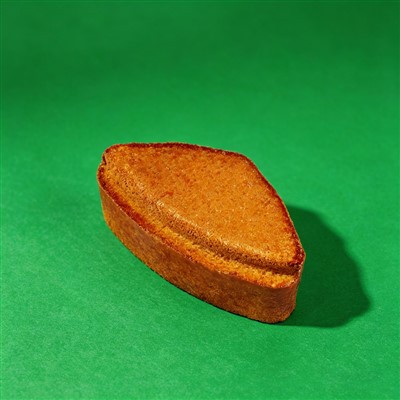
Resin Fickert Abrasive If you’re in the market for high – quality diamond grinding discs, we’ve got you covered. Our discs are made with the highest quality materials and go through rigorous quality control processes to ensure they’re as flat as possible. We’re always happy to answer any questions you might have about our products. So, if you’re interested in purchasing our diamond grinding discs, don’t hesitate to reach out. We’d love to have a chat with you about your specific needs and how our products can help you get the job done right.
References
- "Manufacturing Processes for Engineering Materials" by Serope Kalpakjian and Steven R. Schmid
- "Industrial Diamond Applications Handbook" by various authors
Quanzhou Cheefung New Materials Co., Ltd.
As one of the most experienced diamond grinding disc enterprises in China, we are able to meet the needs of the majority of our customers. Please feel free to wholesale advanced diamond grinding disc made in China here from our factory. For price consultation, contact us.
Address: Jinshan Community, Licheng District, Quanzhou City, Fujian, China
E-mail: info@prostonetools.com
WebSite: https://www.prostonetools.com/
